Atlanta, Georgia
The Repair Comes to You.
The Traffic Stays Out of It.
Every shop visit in this city costs half a day before the first part is billed. This one costs a phone call.
Call 404-991-5610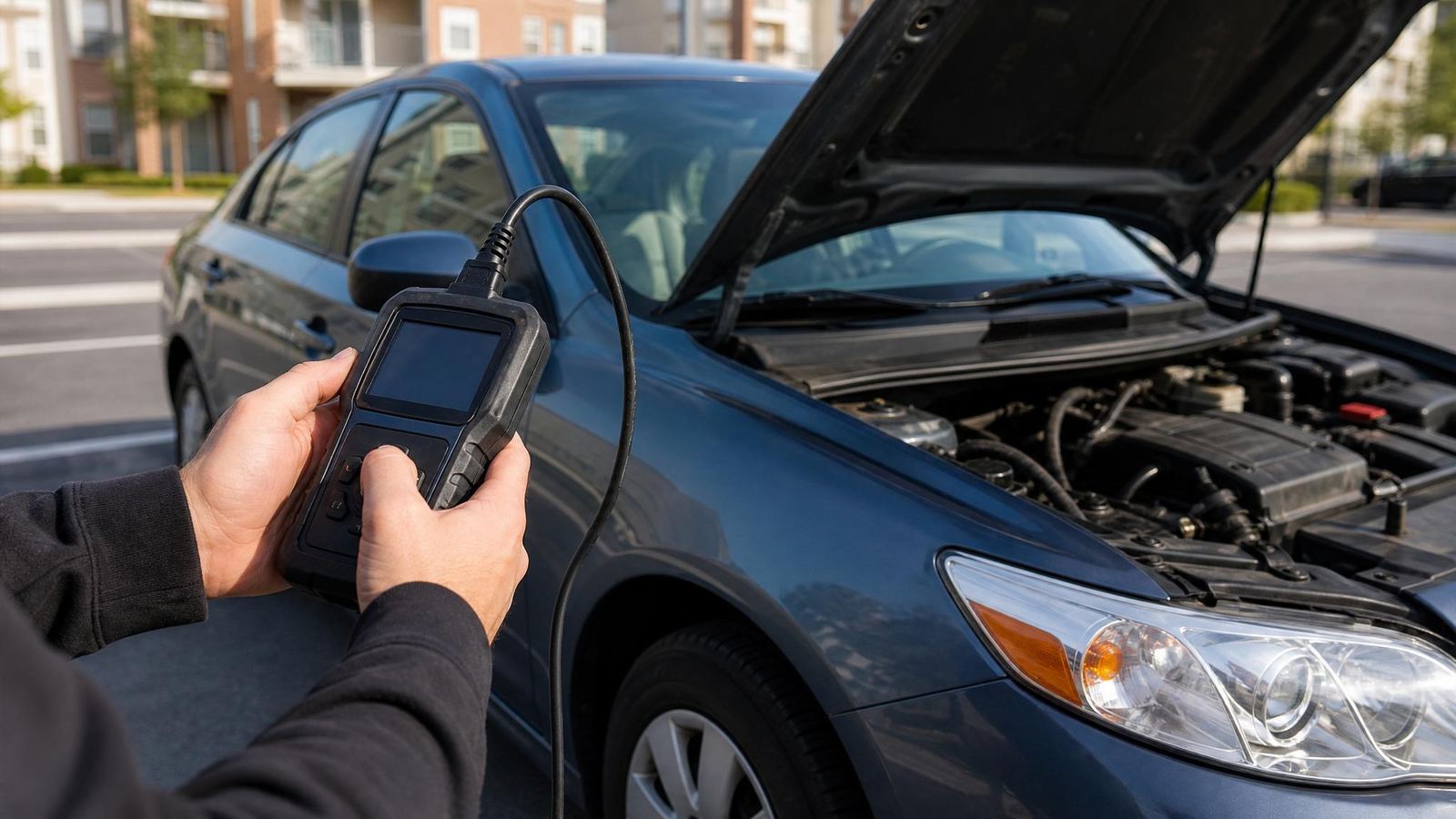
The Real Cost of a Shop Visit Here
Add up what a shop repair really costs here. The morning crawl to the drop-off. The rideshare home against the grain. A day, maybe two, without a car in a metro that punishes carlessness like a personal insult. The second crossing at 5 p.m. to collect it before the counter closes. Somewhere in there, also, the repair. This city taxes every errand in hours, and car trouble is the most expensive errand it sells.
The mobile model refunds those hours. The truck comes to your driveway, your curb, or your office lot; the diagnosis and the repair happen where the car already sits; and your day simply continues around it. You pay for parts and skilled labor, same as anywhere else in the metro. What you stop paying is the traffic surcharge stacked on top, and in Atlanta that surcharge was always the worst and least negotiable part of the bill.
The Route Map
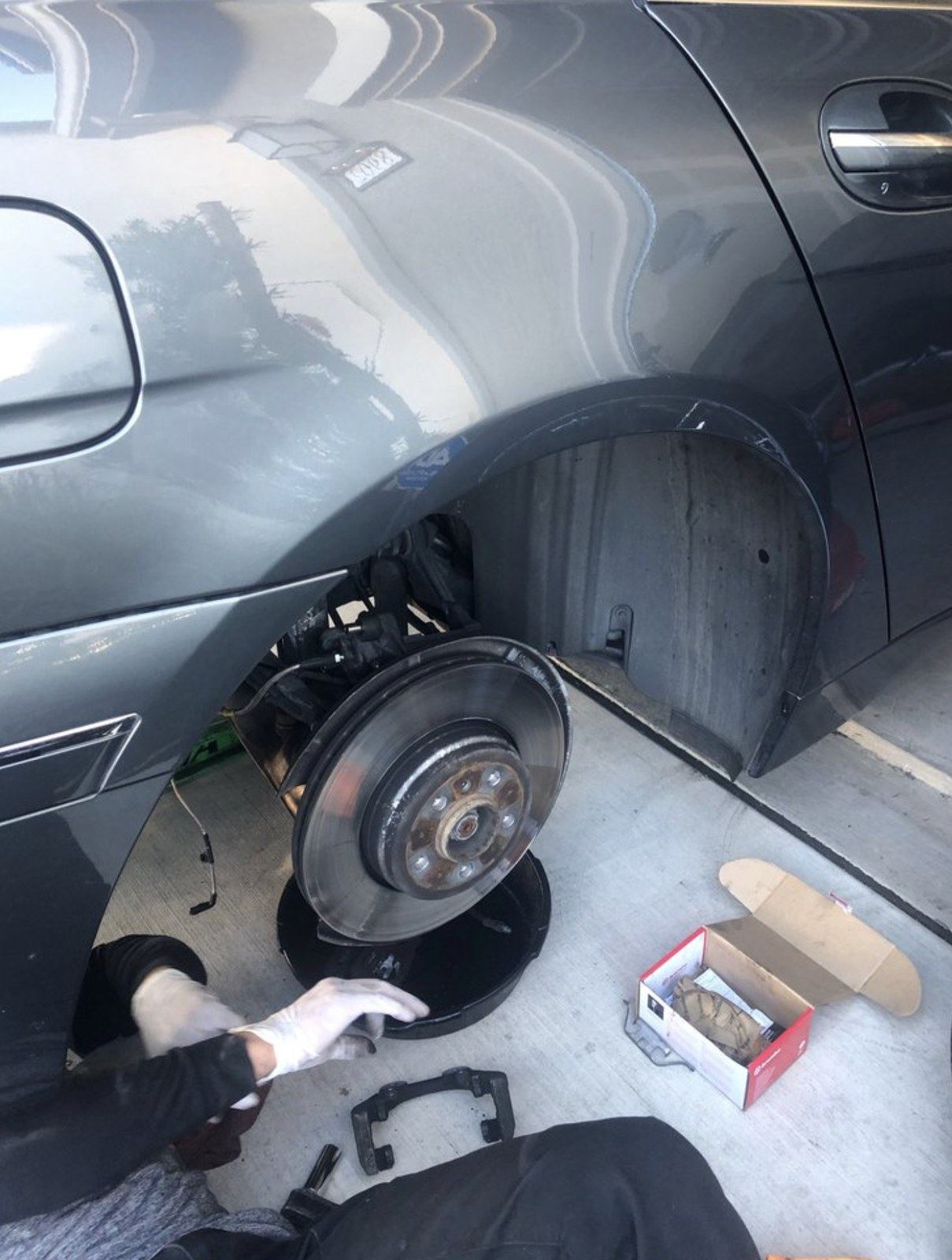
- Brake repairStop-and-go city, honest brake wear. Measured and fixed at your address.
- No-start diagnosticsDead cars lead the schedule and usually leave running.
- Battery & chargingHotlanta cooks batteries. Tested with meters, replaced on evidence.
- Mobile diagnosticsLights, gremlins, and mysteries, caught where they actually perform.
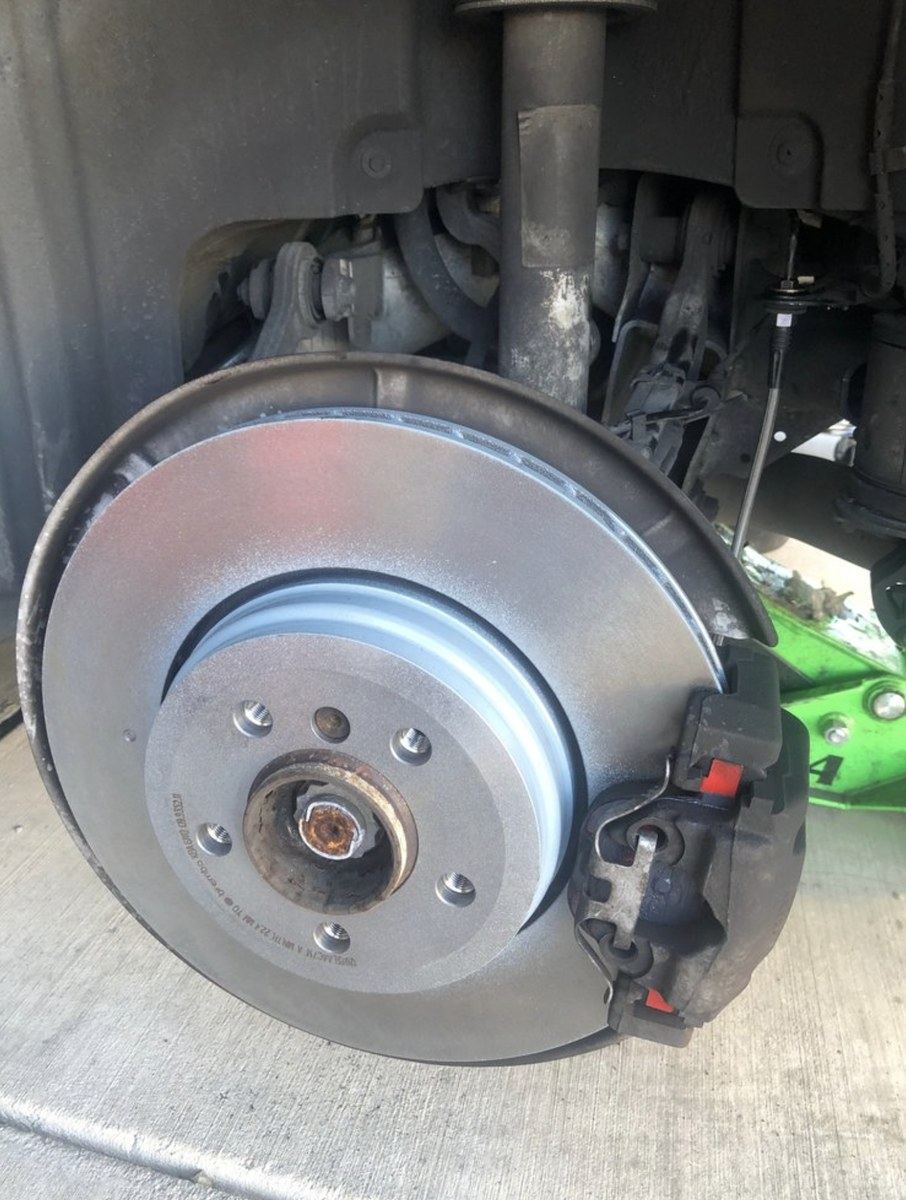
- Mobile auto repairWheel bearings to alternators, finished while your day continues.
- Areas servedITP daily, the close OTP ring on honest drive-time math.
One number. Answered by the person who turns the wrench.
404-991-5610ITP · Decatur · East Point · Smyrna · College Park
What This City Does to Cars
Atlanta wears vehicles in its own signature ways. Stop-and-go is the headline: brakes here live the hardest life in the Southeast, aging by traffic light instead of by mile. Heat comes second, quietly spending down every battery through the long cooking season and collecting on the first cool morning. The famous yellow week each spring blankets radiators and chokes cabin filters across the metro. And the summer storms flood enough underpasses and low corners to keep drowned electrics a steady line of work.
None of it is exotic; it is the standard wear pattern for this metro, and daily work in these neighborhoods keeps the service ahead of it: measuring brakes on a city schedule rather than a mileage chart, judging batteries by ages instead of their mood, and clearing the spring pollen out of everything that needs to breathe.
How a Visit Runs
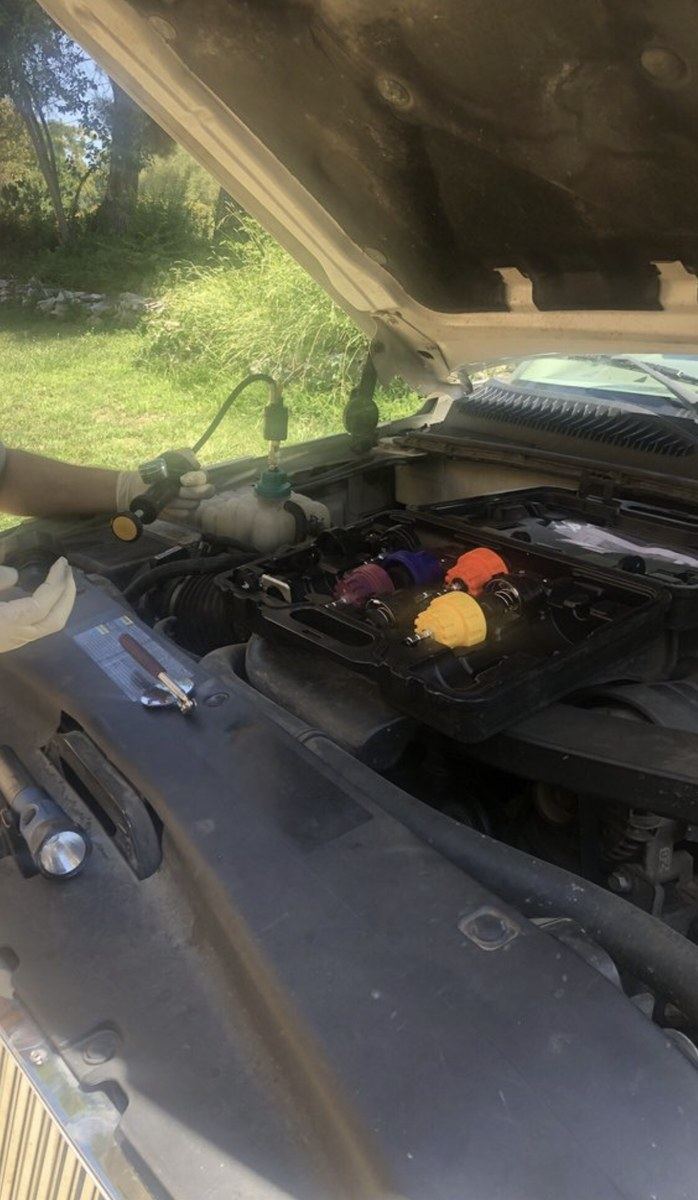
The first call ends with three numbers: the trip price, when to expect the truck, and for most jobs a written repair quote. Come the day, the truck lands inside its window, announced by a heads-up text, and the work happens beside the car with instruments doing the deciding, and anything unexpected stops for a photo and your approval before a dollar moves. It closes with a road test on your actual streets, every replaced part set out for your inspection, and an itemized record to your phone.
Stay and watch the whole thing or hand off the keys and take your meeting; both are normal. The repair does not need your supervision, just your address and a reachable phone for the occasional decision.
Built for How Atlantans Actually Live
The calendar here is shaped by the city it serves. Workplace repairs run constantly, because a car fixed during a shift is the purest form of the pitch. Airport-adjacent bookings around Hartsfield schedules are routine, fix it before the trip, or meet the car on return. Apartment and condo life is fully supported, gate codes, leasing-office meetups, curbside work with a cone, with the parking deck as the one honest exception, solved by a short roll to a curb. And households running two jobs and one school run get the thing they actually need: repairs that never ask them to be anywhere else, on days that were already spoken for twice.
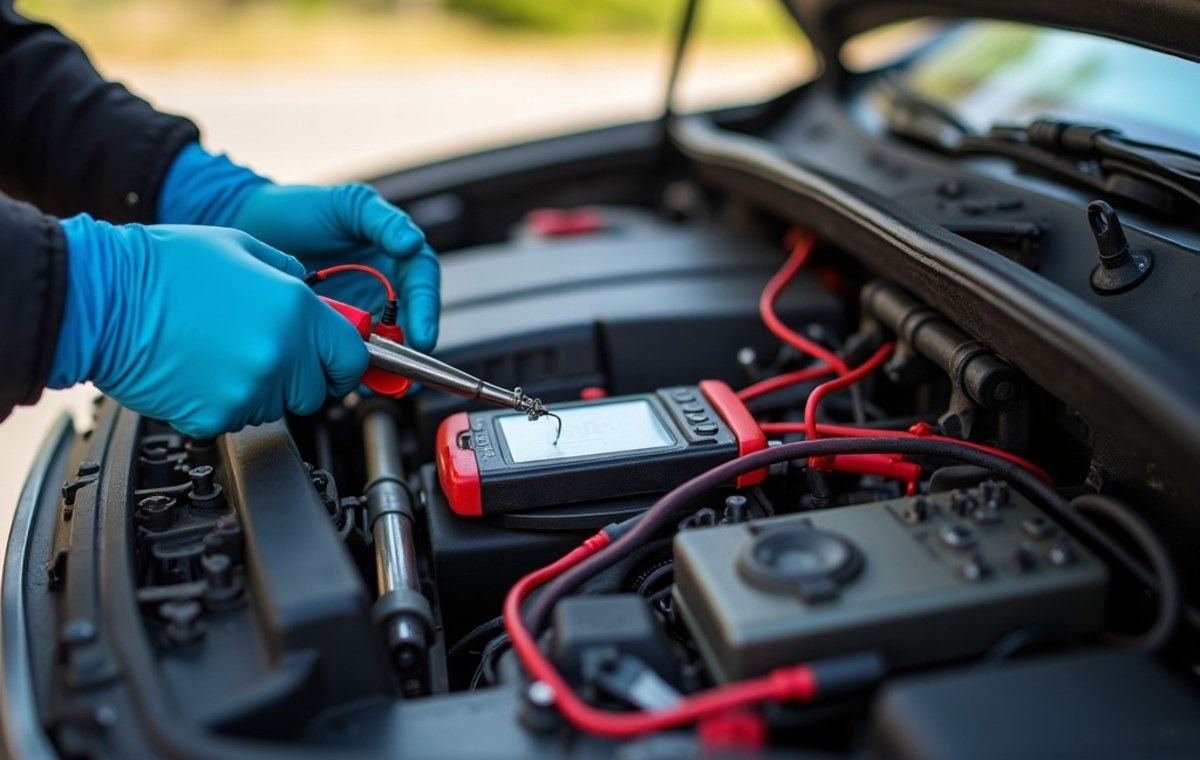
Repair Service Built for Renters
Most Atlantans do not own a garage, and plenty do not own a driveway, which makes the traditional advice, just work on it at home, a joke told by the suburbs. The mobile model was practically invented for this town: curbside repairs with a cone, complex parking handled with a heads-up to the leasing office, gate codes in the booking text, tower dwellers met at the curb. The one genuine obstacle is the parking deck, and even that has a protocol, jump pack up the stairs, car rolled down to the truck. However you park, there is a version of this service that fits it, and it has almost certainly been done on your street already.
Flooded Cars: What Not to Do
Every Atlanta summer delivers a few storms that turn underpasses into ponds, and every one of those evenings drowns a batch of cars whose owners deserve better advice than they get. Here it is: a car that stalled in water must not be cranked again, not once, not even briefly, not just to see if it will catch. Water does not compress, and one hopeful turn of the key can convert wet-and-recoverable into a bent-rod engine bill. Get it to dry ground, leave the key alone, and call; the assessment of what the water actually reached, air intake, electronics, transmission and engine fluids, happens right where the car sits, and the difference between a drying-out and a disaster is usually whether anyone cranked it. After the city's messier weather, triage calls get priority and plain answers.
One Set of Hands, Start to Finish
Every job here is quoted, wrenched, tested, and guaranteed by the same person, which deletes a whole category of big-shop friction: nothing gets lost between the counter and the bay, no advisor is paid to inflate the ticket, and next month's question about last month's repair goes to someone who actually remembers your car. The records make it durable, every visit documented to your phone, and the accountability makes it honest, because there is nobody else here to blame. Small is not a limitation in this trade. In a city this size, small with a full calendar is exactly what trustworthy looks like.
The Short Version
Atlanta charges you twice for every repair: once in dollars, once in hours, and the second bill is the one that ruins weeks. This service exists to tear up the second bill. A mechanic with a stocked truck, a working knowledge of every neighborhood inside the Perimeter, and a calendar built around real deadlines comes to wherever your car had its bad day, quotes in writing, fixes what the instruments convict, and proves the work before leaving. The traffic stays out of your repair. That is the whole idea, and it fits in one phone call. Everything above and below this paragraph is just the detail; this is the deal, and it has not changed since the first driveway.
Fair Questions, Straight Answers
How much of my day does a repair actually take?
Roughly none, which is the entire product. You book a window, the truck comes to the car, and your day proceeds while the work happens. Compare that to the drop-off, the rideshare, and the second trip across town, and the mobile visit usually wins before the invoice is even opened.
What does it cost to come out?
The trip has a flat number quoted on the phone, with the traffic already priced in. Repairs get their own written quote before work starts, labor and parts split, and the quote is the invoice unless you approve a change mid-job first.
Can you fix my car at work?
Yes, and it is half the calendar. Office lots, campus lots, and workplace surface parking all host repairs weekly with the lot's blessing. Parking decks are the one honest exception; those cars roll to a nearby curb or surface corner instead.
How fast can you reach a dead car?
Dead cars lead the queue, and most inside the Perimeter or the close ring see the truck the same day. State the real deadline, a shift, a flight out of Hartsfield, a school pickup, and the schedule builds backward from it.
Do you handle older, high-mileage cars?
Happily. The metro is full of six-digit odometers doing honest work, and they get honest advice: what the car needs, what it can skip, and whether a given repair makes sense against the whole vehicle, both directions, in writing.
What don't you do?
Alignments, tire mounting, glass, transmission internals, and body or paint work. Ask anyway if you are not sure; the reply is yes, a plain no, or the name of a metro shop that will not waste your afternoon, free in every case.
Next Departure: Your Driveway
One call gets a price, a window, and your week back.
404-991-5610Zero of your hours · all of the repair